
Hunting Club
Street Smart Studio • When the right choice matters
Hunting Club
Camaraderie is great. Safety and accountability come first.
What this topic covers
- How to evaluate a club’s culture, safety habits, and leadership.
- Rules, dues, land access, guest policies, and enforcement.
- How money and favoritism quietly shape “fairness.”
- Protecting your reputation, gear, and liability exposure.
- How to leave a bad club without drama or legal mess.
Common warning patterns
- Loose safety: muzzle discipline ignored, alcohol near hunts, “it’s fine” culture.
- Vague rules: enforcement changes depending on who you are.
- Dues creep: constant “extra” fees with no clear accounting.
- Gatekeeping and cliques: access depends on loyalty, not standards.
- Land/stand conflicts handled through gossip instead of process.
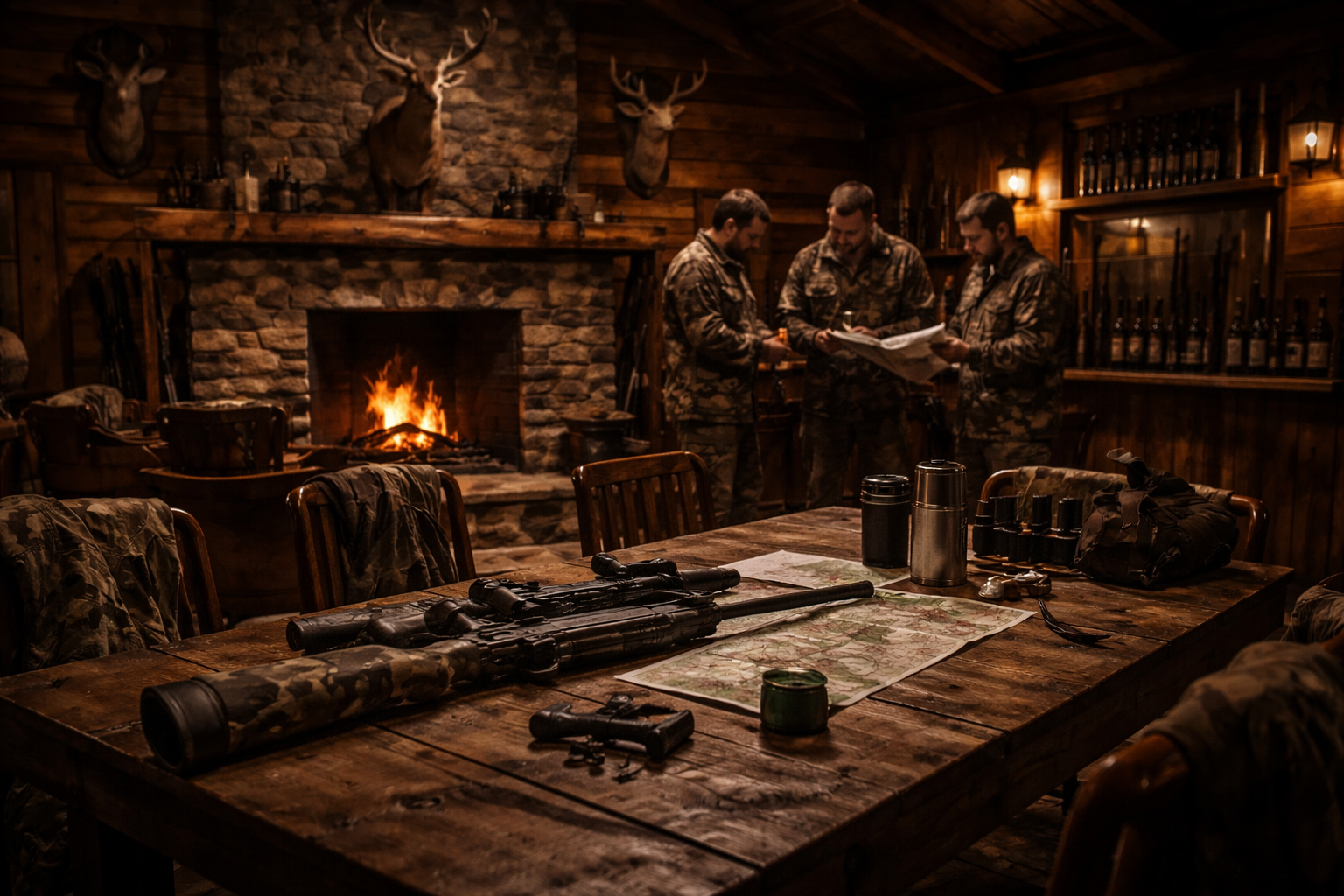
Field rules (simple, usable)
- Safety is the culture. If it’s optional, it’s a no.
- Rules must be written. Verbal rules become selective rules.
- Money must be transparent. Budgets, receipts, and decisions—clear.
- Fair access is structured. Rotation, sign-in, and documented assignments.
- Don’t be the “messenger.” Keep issues official and documented.
Recommended next steps
- Ask for bylaws/rules, dues schedule, and guest policy in writing.
- Confirm safety requirements: alcohol policy, check-in/out, stand rules.
- Understand liability: waivers, insurance, property boundaries, and signage.
- Look for a fair access system: rotation, reservations, or zones.
- Observe one season before making long-term commitments.
Short scripts (verbatim)
- “Can you show me the rules and dues schedule in writing?”
- “What’s the alcohol policy during hunts and camp time?”
- “How are stands/zones assigned and rotated?”
- “Let’s keep this official—who do I contact to document the issue?”
- “I’m stepping back. Please confirm my membership is closed.”